Application grid

Four requirement profiles

Each profile names the fields that must travel with the material. It does not assign a universal textile or result to the entire industry.

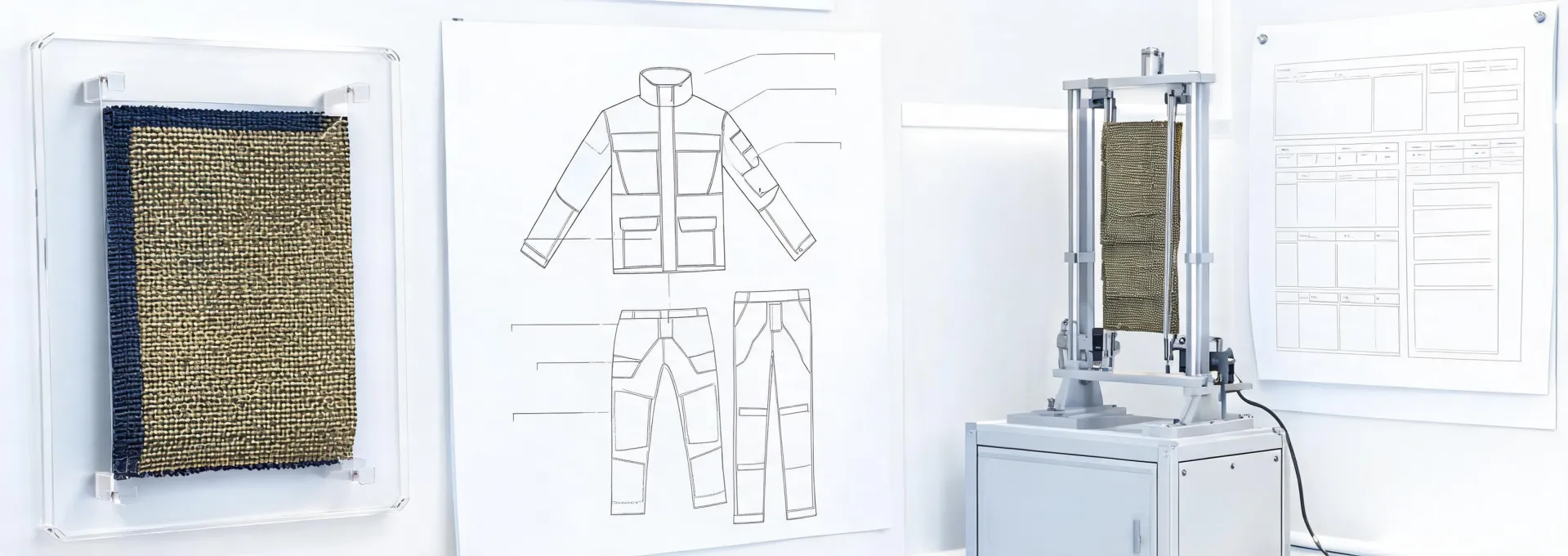
Protective apparel textile assembly

Protective Apparel

Specify hazard, garment layer, fiber content, weave construction, GSM, usable width, seam design, laundering route and the applicable flame, thermal or mechanical method. Comfort and air permeability may conflict with barrier or durability targets.

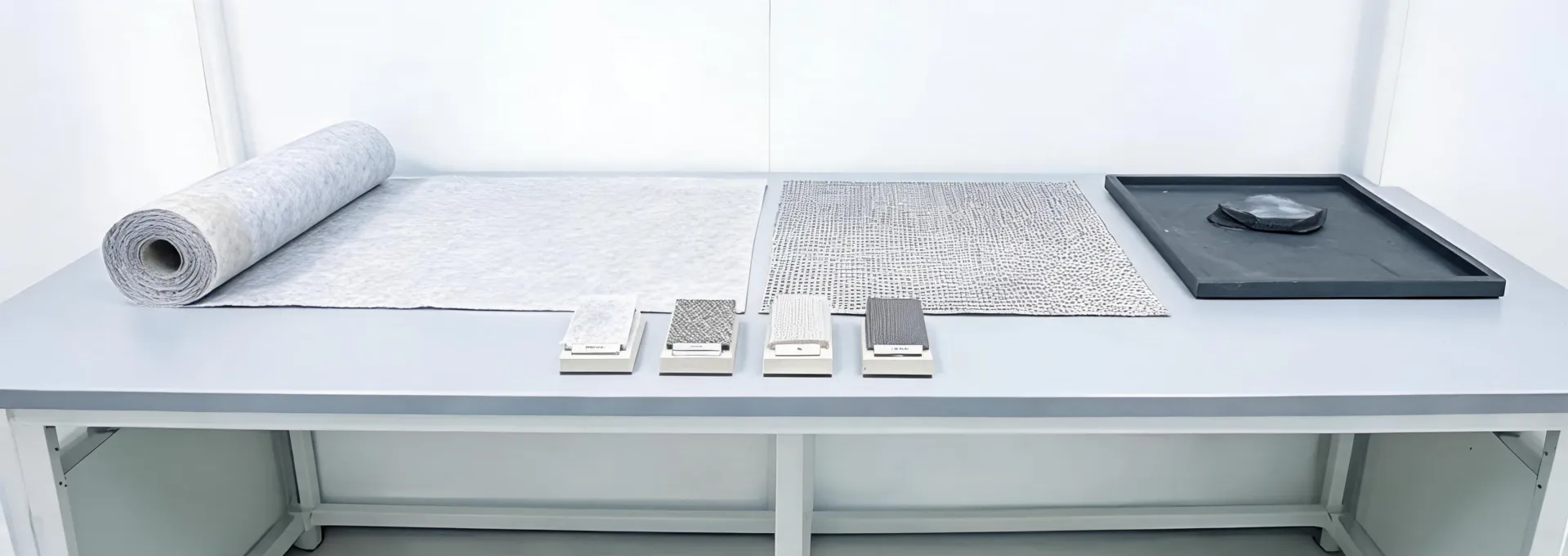
Industrial filtration textile media

Filtration & Process Media

Record medium, temperature, pressure, particle range, chemical exposure, basis weight, thickness, air permeability and conversion method. Filter performance depends on the full media and assembly, not fiber identity alone.

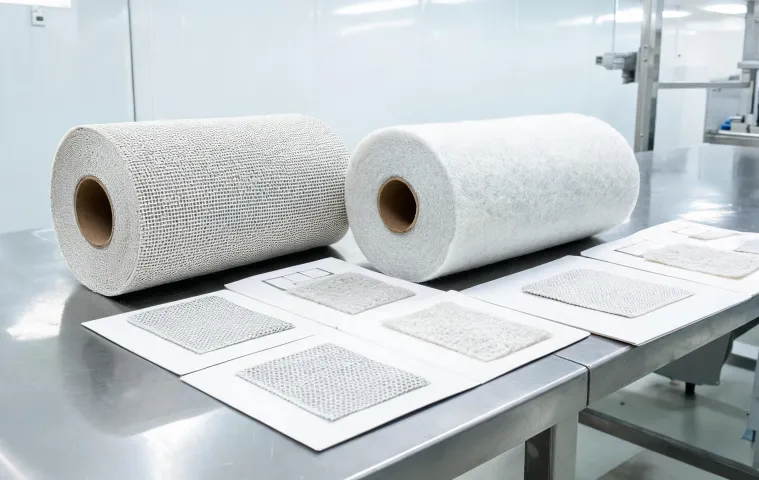
Composite textile reinforcement layup

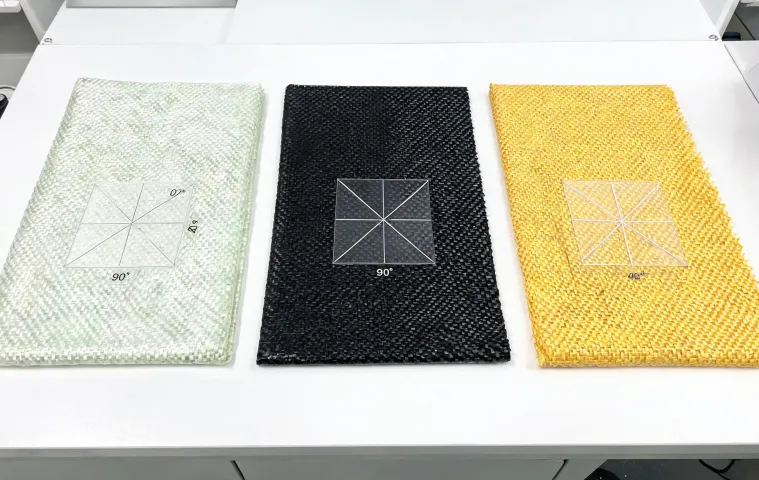
Composite Reinforcement

Define fiber type, tow or yarn, architecture, areal weight, width, orientation, sizing, resin system and storage or handling limits. A fabric replacement requires confirmation in the customer’s layup and cure route.

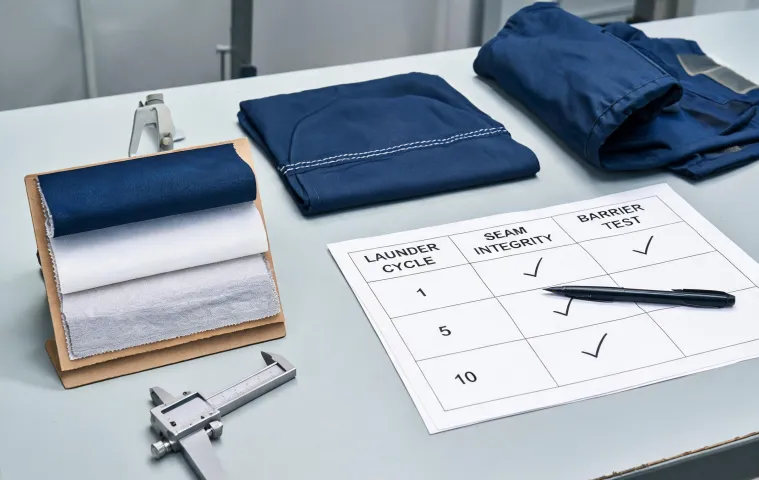
Transport barrier textile specimen

Transport & Industrial Barriers

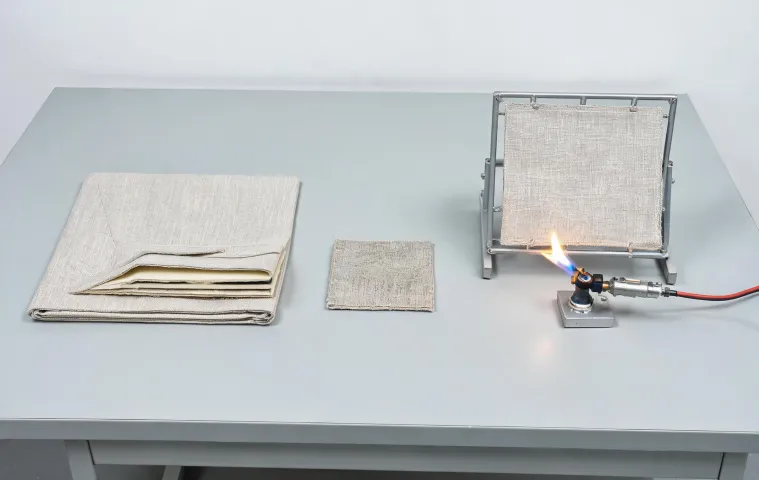
Vehicle or equipment class, layer build-up, attachment, abrasion, cleaning, temperature and applicable flame or smoke method determine the evidence set. Results must identify the tested composite construction.

Performance requirements

Selection involves trade-offs, not single-axis rankings

The exact priority order changes by application. These comparisons show why a buyer must state the operating condition before requesting a replacement or alternative construction.

High barrier emphasis

  • May require coating or lamination
  • Can reduce air permeability and flexibility
  • Needs composite-level test scope
  • Repair and end-of-life route can be more complex

High comfort emphasis

  • May favor lower GSM or more open construction
  • Can reduce barrier time or mechanical durability
  • Requires moisture and thermal context
  • Must be assessed in the final garment assembly
Additional boundaries: coating weight can alter hand and adhesion; color or finish changes can alter some test results; repeated laundering can change protective finishes; yarn data does not establish finished-fabric performance.

Recommended material routes

Choose the route, then validate the article

Requirement signalInitial material routeFields to compareVerification path
Cut and mechanical exposureHigh-tenacity woven textileFiber, yarn, weave, GSM, tear and tensile strengthNamed method plus garment-panel trial
Liquid or weather barrierCoated or laminated fabricSubstrate, coating weight, adhesion, hydrostatic headConditioned composite specimen and aging plan
Hot process filtrationWoven or nonwoven filter mediumFiber, basis weight, permeability, temperature and chemistryMedia trial in the intended process condition
Composite load pathTextile reinforcementFiber orientation, areal weight, sizing and drapeCustomer layup, resin and cure validation

Define the operating condition before choosing the textile

Submit the hazard, assembly, environment, target methods, quantity and conversion route for a structured material response.

By submitting, you acknowledge the Privacy Policy.