Protective Apparel
Garment construction, heat or flame method, comfort and laundering.
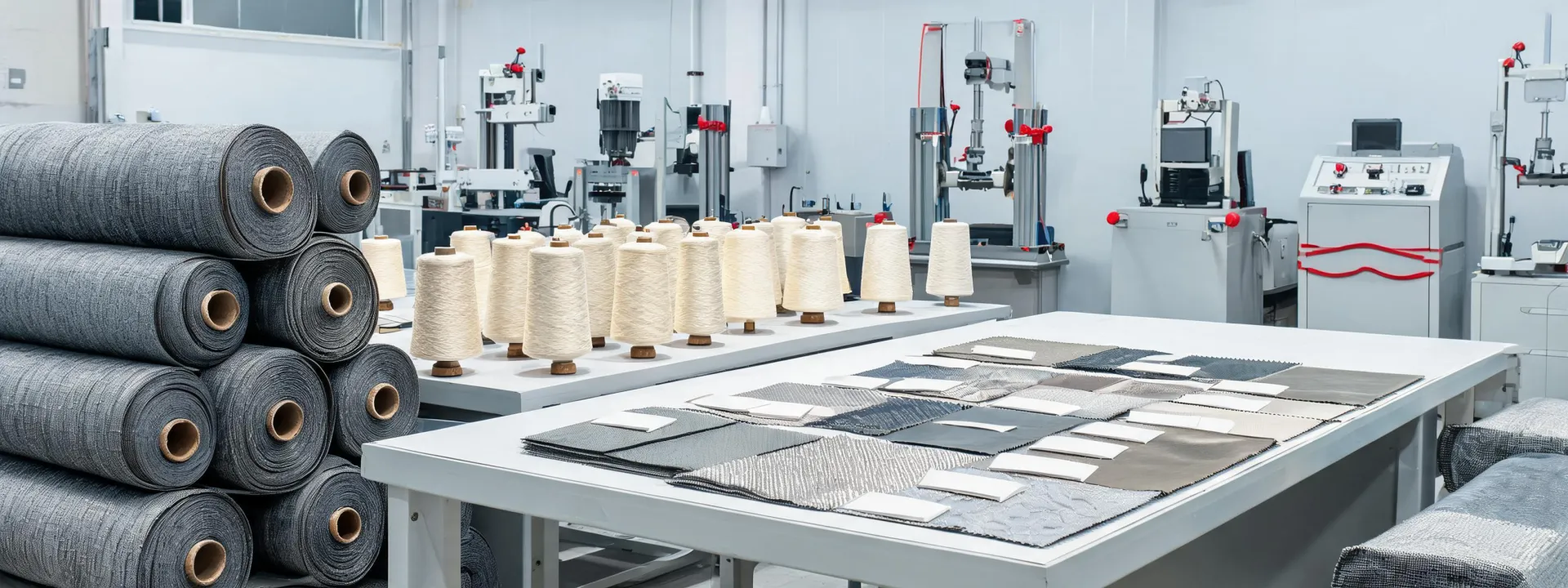
Protective and industrial textiles
Define fiber content, construction, GSM, usable width and applicable test method before a sample advances. Keep changes to finish, color and lot visible through release.
Material routes
These routes describe sourcing categories, not unconditional performance claims. Final results depend on the exact construction, finish and specimen assembly.
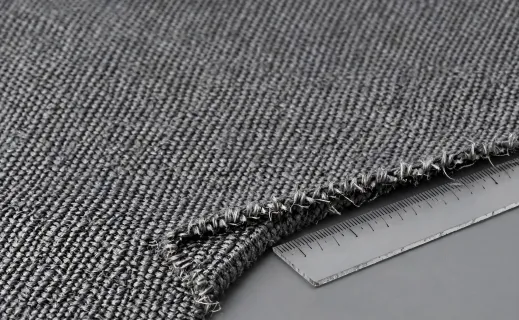
High-tenacity filament and spun-yarn constructions screened by fiber identity, weave, GSM, usable width, tensile strength, tear strength and the protective method relevant to the intended garment or barrier.
Request construction data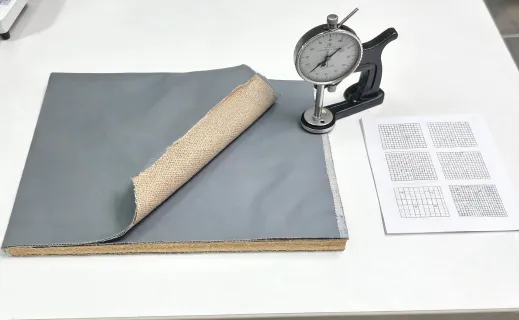
Substrate, coating weight, lamination route and environmental exposure are recorded together. Hydrostatic head or chemical-barrier statements require the named test, conditioning and composite structure.
Discuss the assembly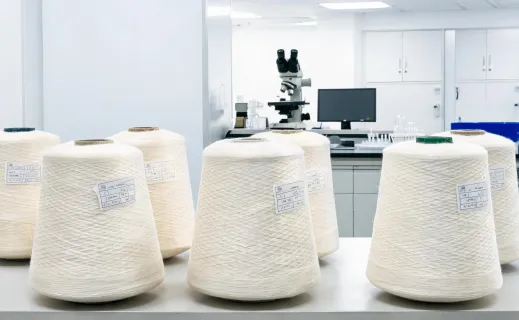
Linear density, denier, filament form, twist, finish and lot identity create the basis for conversion trials. Fabric-level performance is not inferred from yarn data alone.
Submit a yarn requirementSend the application, target construction, required method, quantity and destination. Dupont will identify the missing sample and evidence decisions.